
Morning Glow Newsletter Vol 29
- Team Yara - Writing
- Jan 13
- 8 min read

Menopause at Work: Parliament Has Finally Had a Hot Flush of Its Own
The UK is inching towards something genuinely helpful. New proposals would require large companies to take menopause seriously rather than hoping no one mentions it between quarterly reviews. As your resident YaraGlow editor who has survived both perimenopause and several HR departments, here is the good news.
What’s actually being proposed?
Big employers may soon need to:
• Publish how they support menopausal staff, much like gender pay gap reporting.
• Train managers so they know what real symptoms look like. Spoiler: it is not “a bit warm”.
• Show evidence that adjustments are offered fairly across the business.
This puts an end to the postcode lottery of “brilliant manager who gets it” versus “manager who believes HRT is a brand of printer toner”.
Why this matters
Women in midlife carry so much. Careers, kids, ageing parents, and sleep that behaves like a drunk toddler. Losing talent because someone cannot get time off for a GP appointment is a waste. These proposals encourage simple, workable changes:
• Smarter rota planning.
• Quiet spaces or cooler areas for staff who need them.
• Understanding when symptoms hit at the worst moment.
• No more whispering into a loo roll in the office toilets during a hot flush.
Support of this kind keeps women in roles they know inside out. Experience does not evaporate just because hormones have decided to host a small internal circus.
The cultural shift
This may be the most promising part. Managers would be expected to talk about menopause with the same calm tone they use for sprained wrists or migraines. That alone removes a layer of awkwardness that has clung to the workplace for decades.
It also helps younger staff see menopause as a normal part of working life rather than something women endure in silence while clutching a fan from Poundland.
The takeaway
Nothing is perfect yet. The finer details will need to be ironed out. But this is a genuine step toward workplaces that understand women rather than merely tolerate them.
If Parliament keeps its nerve, 2026 could be the year menopause support becomes a standard HR practice rather than a whispered side conversation.
And honestly, that deserves a round of applause and a very cold drink.
MenopauseMatters HormoneHealth MoodSwings MidlifeWellbeing YaraGlow
— Yara x
GLP-1 Weight Medicines and Menopause: What You Really Need to Know
If menopause feels like your body suddenly changed teams without telling you, you’re not alone. Many women notice their weight creeping up even when they are eating well and moving regularly. That is where GLP-1 medications have created a lot of buzz lately. Let’s break it down in a way that feels useful rather than confusing.
GLP-1 is short for “glucagon-like peptide-1”, a hormone your gut makes after eating that tells your brain you are full and slows down how quickly food leaves your stomach. Some drugs mimic that effect, helping to reduce appetite and improve blood sugar regulation. They were originally developed for diabetes, but research shows they can also support weight loss when paired with sensible lifestyle changes. 
For women in midlife, these medications might ease the stubborn weight gain that often shows up with falling oestrogen. Appetite softens, the hunger signal quietens and, in clinical trials, people have seen steady weight reduction over time. 
Here are a few key points to know:
• They are not a magic bullet. Weight tends to come back if the medication stops, because the body shifts metabolism during menopause. 
• They work best alongside good nutrition, activity you enjoy and solid sleep. 
• Side effects can include mild nausea or digestive changes, usually early on. 
• They are usually offered within specialist services in the NHS or privately if criteria are met. 
What matters most is deciding with your clinician whether this feels right for you. For some women, GLP-1 medicines offer an extra tool when appetite stubbornly wins, and metabolism feels slower than a Monday morning. Combine that with support for sleep, movement and hormone health, and you have a sensible, joined-up plan.
If your body has been tricky lately, you deserve clear information and kindness from yourself while you find what works.
Headline: Why HRT and Dementia Are Finally Getting Along (Sort Of)
If you have ever winced at the phrase “hormone replacement therapy” because someone once whispered “dementia risk”, you are not alone. That old fear has hung around like bad wallpaper. But recent research suggests that when it comes to menopause hormone therapy, the connection to dementia risk might be far weaker than we once thought. 
A major review of health data from more than a million women has conducted a thorough analysis of the evidence. Across studies, researchers found nothing to suggest that hormone therapy either raises or lowers your chances of developing dementia later in life. Put another way, the therapy you take to ease hot flushes and night sweats doesn’t appear to be a secret ticket to memory loss. 
This analysis was commissioned by the World Health Organisation and is the most thorough of its kind so far. The experts combed through a mix of large observational studies and the limited randomised trials that exist, and they did not find a clear link between menopause hormone therapy and dementia risk. That covers multiple ways the therapy can be delivered and how long someone might take it. 
Of course, science is never quite as simple as a yes-or-no answer. Some of the earlier research hinted at both possible benefits and potential harms, depending on how and when hormones are taken. Those results were inconsistent and hard to interpret. This new review helps quiet that noise by showing that any suggestions of a link were weak at best and not dependable. 
The takeaway for anyone navigating menopause is reassuring. If you are considering hormone therapy to manage symptoms like poor sleep, low libido or bone density concerns, this new evidence means dementia need not be the shadow over your decision. Talk to your clinician about your personal health, family history and timing, but you can at least tuck the dementia worry into the “not proven” box for now. 
As always, more research will help refine our understanding. But for the moment, this review feels like a thoughtful step towards clearer information and less menopause-related anxiety.
Bread That Loves You Back: What to Eat After 50 (Yes, Really)

If you’ve ever eyed a crusty loaf with equal parts hope and fear, take a breath. New nutrition advice for women in midlife is not confiscating bread from your plate. Instead, dietitians point to the kinds of bread that actually do your body good, especially after 50, when metabolism, bone health, and digestion all start to require a bit more respect.
Let’s be clear. This is not a permission slip to empty an entire bakery. What we are talking about are breads that come with a bit of extra nutrition, fibre and staying power so you actually feel satisfied rather than hangry by mid-afternoon.
Go for Whole Grains
Whole-grain bread tops the list for good reason. It delivers fibre that helps digestion and keeps blood sugar steadier. After 50, that steadiness matters. A slice of whole-grain toast with scrambled eggs is a genuinely solid start to the day.
Seedy Heroes for the Win
Breads with seeds like flax, sunflower or chia bring omega-3 fats and extra fibre. They also make your mouth happy, which, let’s be honest, is part of why we eat bread in the first place.
Sourdough’s Quiet Charm
Sourdough gets a nod because the fermentation process makes it easier on the gut. If your digestion has started to feel like a temperamental teenager, sourdough might calm it down.
Rye for Staying Power
Rye bread has a denser texture and a flavour that grows on you. It scores points for helping you feel fuller for longer. That means fewer snack attacks between meals.
A Note on White Bread
White bread is not banned, but it raises blood sugar faster and doesn’t offer much else. If you do eat it, pair it with protein and veg so your body isn’t left wondering where the nutrients went.
Bottom line: after 50, bread can be part of a good diet if you choose wisely. Think whole grains, seeds and fibre that actually supports your health goals.
And if you ever feel guilty about bread again, remember this: good bread and good choices can coexist beautifully.
Why Lifting Weights After 60 Isn’t Just “Allowed” — it’s Brilliant
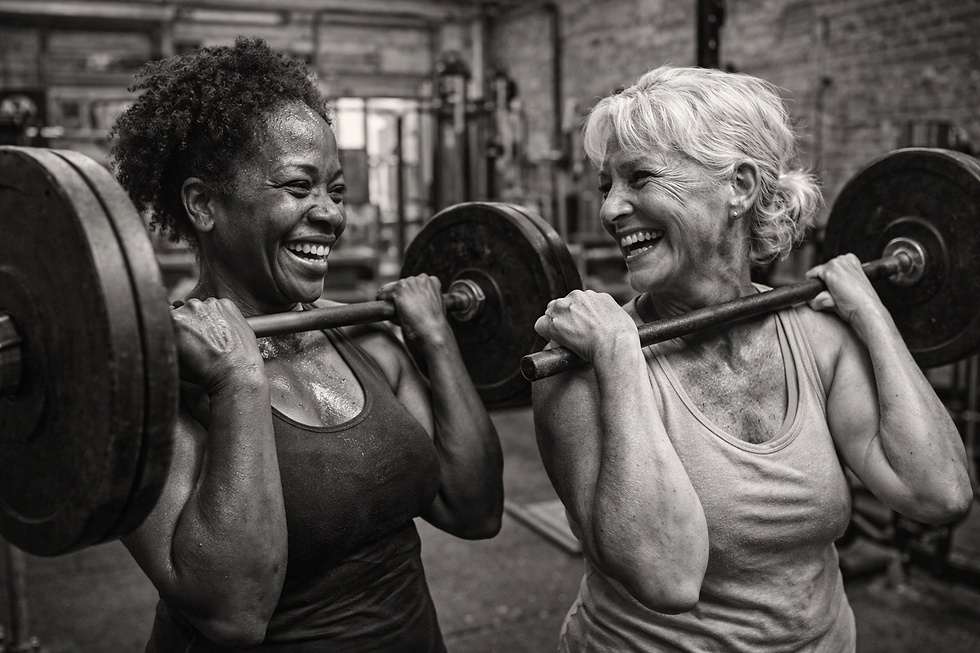
Let’s get this straight. The idea that strength training is only for Instagram gymkers or men in shiny singlets is outdated. Women over 60 (and 70, and beyond) benefit hugely from lifting weights. And no, this does not mean you suddenly resemble a Viking warlord (although that would be awesome). It means strength training becomes a kind of superpower for everyday life.
Here’s why it matters, and how to do it well.
Why Strength Training Works at Any Age
• Muscle matters: As we age, muscle mass naturally declines. That makes everyday tasks like carrying groceries or lifting a grandchild harder. Strength training rebuilds that muscle.
• Bone health: Lifting weights signals your bones to stay dense and strong. That means less risk of fractures as you age.
• Metabolism support: More muscle helps keep metabolism humming. This can help with energy levels and weight management.
• Better balance: Stronger legs and core mean fewer tumbles and a steadier stride.
How to Start Safely
If you’ve never lifted weights before, don’t panic. You don’t need to squat with dumbbells the size of bowling balls. Here’s a beginner-friendly approach:
• Bodyweight first: Get comfortable with squats, hip hinges and wall push-ups.
• Light weights: Start with manageable dumbbells or resistance bands. You should feel challenged, not battered.
• Form over flair: Good technique matters more than heavy loads. Slow, controlled reps win every time.
• Consistency beats intensity: 2–3 sessions a week is plenty to start seeing results.
What to Expect
• Soreness early on: That’s normal. A warm bath and good protein help.
• Steady progress: Strength gains may be slower than in your twenties, but they are real and lasting.
• More confidence: Honestly, there is nothing like lifting something heavy and knowing your body can handle life.
Pro Tips for Success
• Pair strength training with a balanced diet and plenty of water.
• Rest days matter; muscles rebuild when you chill.
• If you have health concerns, check in with a clinician first.
The bottom line? Strength training after 60 is not just feasible. It’s one of the most effective ways to support independence, resilience and enjoyment in later life.
And honestly, who doesn’t want to feel capable and strong?
Don’t Ignore Your “Brake Lights”: Why Your Body Is Trying to Tell You Something
We’ve all been there. You feel a tiny niggle, a whisper of “something’s off”, and you tell yourself you’re too busy, too important, too… everything else. But some parts of us are like brake lights on a car. Ignore them long enough, and you end up in the bushes wondering how you got there.
Recent health commentary has highlighted a body part that many women dismiss until it no longer behaves quietly. If you’ve ever shrugged off a symptom because you “didn’t have time” or “it’s probably nothing,” this is your official nudge to pay attention.
Let’s unpack what you shouldn’t be ignoring.
The Usual Suspect: Feet and Ankles
Feet are often the first to signal that something deeper is happening. Why? Because everything you do depends on them. If feet start talking, listen.
• Persistent swelling can point to circulation or heart issues.
• Pain that doesn’t go away might be more than “just ageing”.
• Numbness or tingling could signal nerve issues or diabetes.
• Changes in gait or balance are clues to joint, back or neurological issues.
But Wait, There’s More
Other areas also try to get your attention when something’s amiss:
• Your mouth: Dryness, bleeding or odd tastes can signal vitamin deficiencies or other internal issues.
• Your bladder: Frequent trips or pain can hint at infections or pelvic floor weakness.
• Your skin: Rashes, odd marks or slow-healing spots may show immune or hormonal changes.
The key is simple: if something sticks around longer than a week and doesn’t have a clear reason, take note. Make a diary, take photos, track symptoms. Your body is handing you data you might regret ignoring.
What You Can Do Today
• Book that appointment you’ve postponed.
• Ask questions. Be curious, not afraid.
• Remember prevention counts more than cure.
Health isn’t a luxury. It’s your base layer. Pay attention to the whispers before they become shouts.
Content on this website is provided for information purposes only. Information about a therapy, service, product or treatment does not in any way endorse or support such therapy, service, product or treatment. It is not intended to replace advice from your doctor or other registered health professional.


Comments