
MG Newsletter Vol 31.
- Team Yara - Writing
- Feb 1
- 6 min read

Waving Goodbye to Bat Wings: Simple Moves After 45
Let’s be honest… some of us notice that after 45, our upper arms start behaving like spare fabric on an old umbrella. Not ideal, but here’s the good news: you don’t need a fancy gym membership or miracle creams to make a visible difference. A few simple daily moves can help firm the triceps and shoulders that tend to go a bit soft with age.
First up, resistance band triceps kickbacks are brilliant if you’ve got a band handy. You anchor it at waist height, hinge slightly forward and extend your arms back. Your triceps stay engaged throughout, which builds tone without piling on stress. Aim for three sets of 15 to 20 slow, controlled reps.
Wall push-ups are a gentle classic that target the arms and chest. They’re kinder on the shoulders than floor push-ups but still effective. Stand facing a wall, hands at chest level and push away steadily. Repeat in sets of 12 to 15.
Want to get a bit more mobility in while you tone? Overhead arm circles keep your shoulders and arms working continuously. Lift your arms overhead with a slight bend in your elbows, make tight circles for 40 to 60 seconds, then switch direction.
If you’ve got a sturdy chair, try chair dips. Supporting your weight behind you and lowering yourself a little recruits the triceps deeply. Keep shoulders down and elbows tracking back for safety.
Finally, standing resistance band pressdowns give you resistance throughout the whole movement, encouraging constant muscle engagement and helping build endurance over time.
Consistency is the real secret here. A small daily habit of controlled, posture-aware movement usually works far better than infrequent marathon workouts. Stick with these moves, and your arms won’t just look stronger – they’ll function better too.
MenopauseMatters HormoneHealth MoodSwings MidlifeWellbeing YaraGlow
— Yara x
Menopause and the Mind: Why Your Brain Might Be Changing More Than You Realise
A large new study has revealed something many women have long suspected: the menopause does more than affect hot flushes and mood swings — it appears to bring changes in the brain that resemble those seen in Alzheimer’s disease. Researchers in the UK analysed data from almost 125,000 women and found that after the menopause, there was a significant loss of grey matter in key regions of the brain involved in memory, attention and emotion. These are the very areas commonly impacted by Alzheimer’s, and this could help explain why women are nearly twice as likely as men to develop dementia.
The study used MRI scans from around 11,000 women to compare brain structure before and after menopause. While hormone replacement therapy (HRT) appeared to slow some aspects of cognitive ageing, it did not prevent grey matter loss entirely. That suggests that the effects are not simply down to worry or “brain fog”, but may have a biological basis linked to changes in oestrogen levels.
Experts are cautious to say that this doesn’t prove that the menopause causes Alzheimer’s. Long-term follow-up is still needed to confirm whether these brain differences directly lead to dementia. However, they do highlight a plausible explanation for sex differences in risk, with menopause acting as a critical period of brain change.
Importantly, researchers emphasise that lifestyle still matters. Regular exercise, keeping the mind engaged, good sleep and reducing alcohol intake are all factors associated with better long-term brain health.
The findings underline the importance of recognising the menopause as more than just a hormonal phase. It’s a time when women’s health — especially brain health — merits extra attention and support.
Menopause Early Bird? Not More Likely to Get Diabetes After All
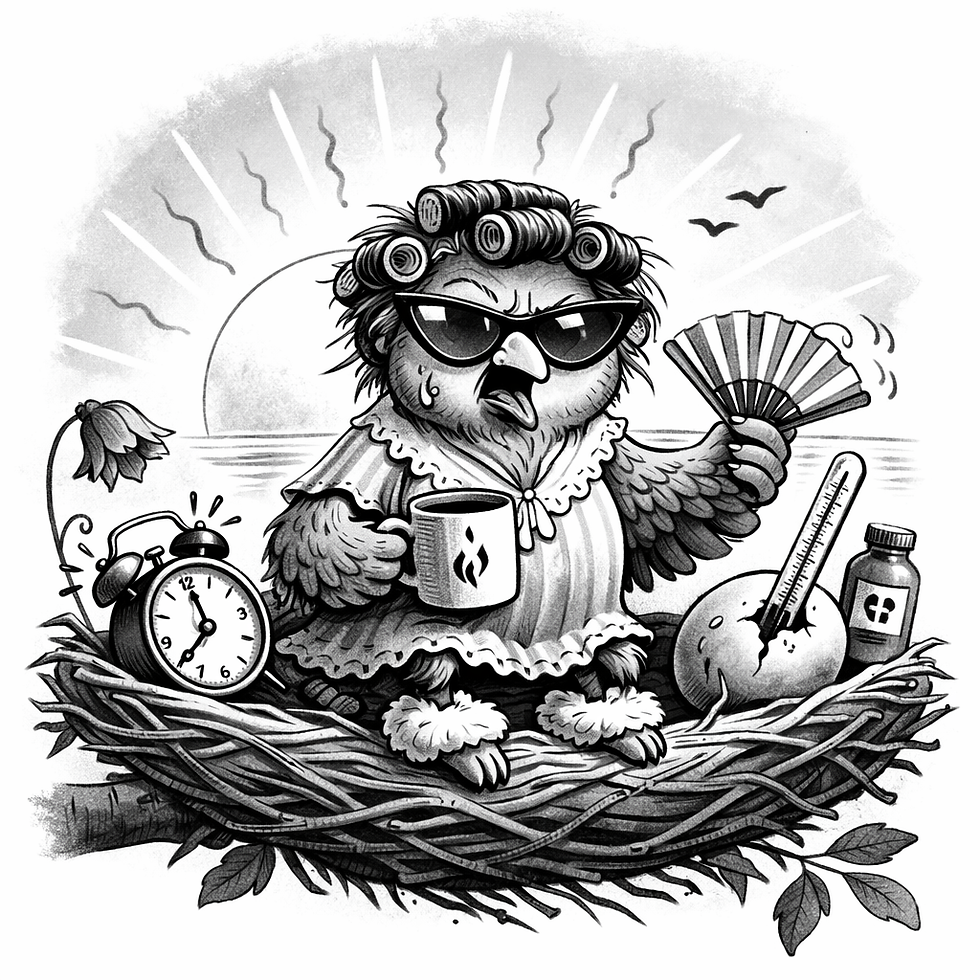
If you’ve ever heard the saying “the early worm gets eaten” well,, a new study suggests something similar might apply to early menopause and type 2 diabetes — but with a twist. Scientists once thought that women who went through menopause earlier than average would be at a noticeably higher risk of developing type 2 diabetes later in life. Emerging research now challenges that idea.
Researchers looked at health records from nearly 147,000 post-menopausal women in the UK Biobank and followed their health for about 14 and a half years. Some women experienced menopause before the usual age of 45. At first glance, it seemed that those ladies had slightly higher rates of diabetes compared with women who went through menopause later. But once the data was adjusted for other factors such as lifestyle and body weight, the link vanished. In short, the timing of menopause itself did not independently predict the development of type 2 diabetes.
So what does this mean in real terms? The study suggests that while hormonal changes around menopause can affect metabolism and fat distribution in the body — and factors like age, weight and inactivity certainly influence diabetes risk — early menopause on its own isn’t a red flag for diabetes. Experts say that other health behaviours and conditions are far more relevant in determining risk.
That doesn’t mean women should ignore their metabolic health, of course. Keeping active, maintaining a balanced diet and staying on top of regular screenings remain key to good long-term health. This research simply gives women and their doctors a clearer perspective on what menopause timing does and doesn’t mean for diabetes risk.
Strong Bones, Happy Life: What Happens When Your Skeleton Rebels

Most of us spend a lot of time thinking about moisturiser, sunscreen and whether “natural glow” really means “I haven’t slept in three days”. But there’s one part of ageing that rarely gets the spotlight it deserves: our bones. As we get older, especially after midlife, bone density tends to decline, and that matters more than you might think. We’re talking strength, independence and keeping clear of fractures that can change your life in a flash. (Original source: Marie Claire)
Let’s start with the basics. Bone isn’t static stuff in there just chilling. It’s living tissue, constantly breaking down and rebuilding. When we’re young, it builds faster than it breaks down. Around our 30s, balance shifts and the breakdown wins. For women, menopause accelerates that process because oestrogen, which helps protect bone, drops dramatically. In other words, your skeleton stops being quite as keen on keeping every last bit of itself intact.
So what happens? Without intervention, bones can become thinner and weaker — and in medical terms, that's called osteoporosis. That doesn’t just sound unpleasant; it is unpleasant. Weaker bones are more likely to fracture, and that’s a big deal down the line. Hips, wrists and spines are common spots for those unwelcome breakages that come from slips that used to be nothing more than an “oops”. (Original source: Marie Claire)
Here’s some good news. You don’t need a full medical degree to help keep your bones in better nick. Weight-bearing exercise — think brisk walking, dancing, tennis — helps nudge your bones into strengthening. A diet with enough calcium and vitamin D supports that process too. And regular check-ups mean changes can be spotted early, before they become problems.
The takeaway? Look after your bones, and they’ll look after you. Beyond creams and serums, sturdy bones are one of the best anti-ageing assets you can have. Let’s give them the attention they’ve earned.
HRT: Hero, Hype or Hormone Hoopla?
Hormone replacement therapy (HRT) for menopause has become, once again, a headline-grabbing topic. Roughly every 30 years, interest in HRT surges, with fresh claims about miraculous benefits that go far beyond easing hot flushes and night sweats. The latest wave includes talk of hormones boosting longevity and reversing ageing, but experts warn that history is repeating itself in rather familiar ways.
Back in the 1990s, menopausal hormone therapy was hugely popular, especially for preventing chronic disease. In the early 2000s, a large clinical trial called the Women’s Health Initiative (WHI) found that combined oestrogen/progestin treatment didn’t cut heart disease risk, and was linked to serious side effects including breast cancer, stroke and blood clots. That prompted doctors to pull back on prescribing it and led to a sharp drop in use.
Now, with renewed marketing and social media buzz, some clinicians and companies are promoting HRT as a broad health panacea. Health authorities in the United States have even removed long-standing safety warnings from product labels, a move that critics say lacks solid new evidence and risks overselling HRT’s benefits.
That doesn’t mean HRT has no place, though. Medical experts agree it can be an effective treatment for troublesome menopausal symptoms, such as vasomotor issues and vaginal dryness, especially when prescribed at the lowest effective dose for the shortest possible time. But there’s little evidence that hormones should be used to prevent chronic diseases, and doing so may expose women to harms that outweigh any long-term gains.
In short, it’s important to cut through the hype. Hormones are not a cure-all, and claims that they will save lives or reverse ageing are not supported by solid evidence. Women experiencing uncomfortable menopause symptoms should have clear, balanced information about both risks and benefits before making a choice about hormone therapy.
Content on this website is provided for information purposes only. Information about a therapy, service, product or treatment does not in any way endorse or support such therapy, service, product or treatment. It is not intended to replace advice from your doctor or other registered health professional.


Comments