
The Role of Nutrition in Menopause Wellness
- hello78369

- Aug 10, 2025
- 3 min read
Menopause is a significant phase in a woman’s life marked by hormonal changes that can affect overall health and wellbeing. Nutrition plays a crucial role in managing symptoms and promoting wellness during this time. Eating the right foods can help balance hormones, maintain a healthy weight, and reduce the risk of chronic diseases often associated with menopause. This article explores how nutrition supports menopause wellness and offers practical advice for a balanced menopause diet.
Understanding the Importance of a Menopause Diet
As women approach menopause, their bodies undergo changes that affect metabolism, bone density, and cardiovascular health. A well-planned menopause diet can help address these changes by providing essential nutrients that support bodily functions and reduce symptoms such as hot flashes, mood swings, and fatigue.
Key nutrients to focus on include:
Calcium and Vitamin D: To maintain bone strength and prevent osteoporosis.
Phytoestrogens: Plant compounds found in soy and flaxseeds that may help balance hormones.
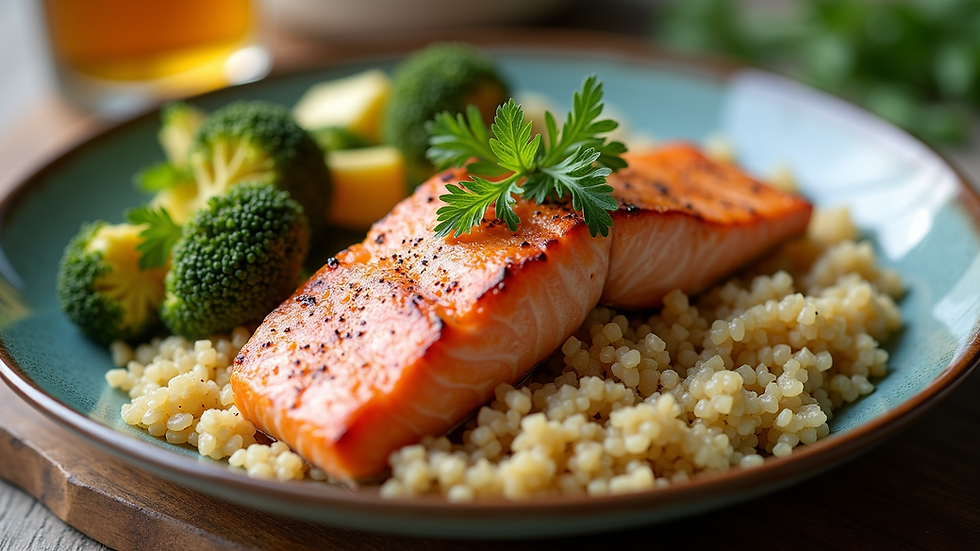
Omega-3 Fatty Acids: Found in fish and flaxseed, these support heart health and reduce inflammation.
Fiber: Helps with digestion and maintaining a healthy weight.
Incorporating a variety of fruits, vegetables, whole grains, lean proteins, and healthy fats is essential. Avoiding excessive sugar, caffeine, and processed foods can also help manage symptoms.

Key Components of a Balanced Menopause Diet
A balanced menopause diet focuses on nutrient-dense foods that support hormonal balance and overall health. Here are some practical components to include:
Lean Proteins
Protein helps maintain muscle mass, which can decline during menopause. Include sources like chicken, turkey, fish, beans, and legumes.
Whole Grains
Whole grains such as oats, quinoa, and brown rice provide fibre and help regulate blood sugar levels.
Fruits and Vegetables
Rich in antioxidants and vitamins, they help reduce inflammation and support immune function.
Healthy Fats
Incorporate sources like olive oil, avocados, and nuts to support brain health and hormone production.
Dairy or Alternatives
Calcium-rich foods like yogurt, cheese, or fortified plant-based milks are vital for bone health.
Hydration
Drinking plenty of water helps reduce bloating and supports metabolism.
For those looking for more detailed guidance, menopause diet tips can provide tailored advice to suit individual needs.
What is the Average Weight Gain During Menopause?
Weight gain is a common concern during menopause, often caused by hormonal shifts, decreased muscle mass, and lifestyle factors. On average, women may gain between 2 to 5 kilograms during the menopausal transition. This weight tends to accumulate around the abdomen, increasing the risk of cardiovascular disease and diabetes.
Understanding this average weight gain helps in setting realistic goals for weight management. Strategies to control weight include:
Regular physical activity: Combining aerobic exercises with strength training.
Portion control: Eating smaller, frequent meals to avoid overeating.
Limiting processed foods: Reducing intake of high-calorie, low-nutrient foods.
Mindful eating: Paying attention to hunger cues and avoiding emotional eating.
Maintaining a healthy weight through diet and exercise can improve energy levels and reduce menopause symptoms.

Practical Menopause Diet Tips for Everyday Life
Adopting a menopause-friendly diet doesn’t have to be complicated. Here are some actionable tips to make healthy eating easier:
Plan meals ahead: Prepare balanced meals in advance to avoid unhealthy choices.
Snack smart: Choose nuts, seeds, or fruit instead of sugary snacks.
Cook at home: Control ingredients and portion sizes by cooking meals yourself.
Limit alcohol and caffeine: Both can trigger hot flashes and disrupt sleep.
Include phytoestrogens: Add soy products, flaxseeds, and legumes to your diet.
Stay consistent: Small, sustainable changes are more effective than drastic diets.
By integrating these tips into daily routines, women can better manage menopause symptoms and support long-term health.
Supporting Bone and Heart Health Through Nutrition
Menopause increases the risk of osteoporosis and heart disease due to declining estrogen levels. Nutrition plays a vital role in protecting these systems.
Bone Health:
Ensure adequate intake of calcium (1000-1200 mg daily) and vitamin D (600-800 IU daily). Foods like dairy, leafy greens, and fortified cereals are excellent sources. Weight-bearing exercises also help strengthen bones.
Heart Health:
Focus on reducing saturated fats and trans fats. Include omega-3 rich foods such as salmon, walnuts, and chia seeds. Limit salt intake to manage blood pressure.
Regular check-ups and blood tests can help monitor bone density and cholesterol levels, allowing for timely dietary adjustments.
Nutrition is a powerful tool in managing menopause wellness. By focusing on a balanced menopause diet rich in essential nutrients, women can ease symptoms, maintain a healthy weight, and protect their long-term health. Small, consistent changes in eating habits combined with physical activity can make a significant difference during this life stage. For more detailed advice, exploring menopause diet tips can provide personalised support and guidance.


Comments