
Effective Menopause Symptom Tips for a Smoother Transition

Menopause is a natural chapter in life, but that doesn’t mean it’s always easy to navigate. Hot flushes, mood swings, and sleepless nights can feel like an uninvited storm cloud hanging overhead. But here’s the good news: with the right approach, you can manage these symptoms and even thrive during this time. I’m here to share some effective menopause symptom tips that have helped many women find balance and comfort. Think of this as your friendly guide to weathering the change with grace and a little bit of humour.
Understanding Menopause Symptom Tips: What Really Works?
First things first, let’s get clear on what menopause symptoms are and why they happen. Menopause marks the end of your menstrual cycles, usually around your late 40s to early 50s. It’s caused by a natural decline in hormones like oestrogen and progesterone. This hormonal rollercoaster can trigger a variety of symptoms, including:
Hot flushes and night sweats
Mood swings and irritability
Sleep disturbances
Vaginal dryness
Fatigue and brain fog
Knowing this helps us tackle symptoms head-on. The key is to listen to your body and respond with kindness and practical strategies. Here are some menopause symptom tips that can make a real difference.
Practical Menopause Symptom Tips to Try Today
Managing menopause symptoms doesn’t have to be complicated. Small changes can lead to big improvements. Here are some actionable tips you can start using right now:
1. Embrace a Balanced Diet
Eating well is your secret weapon. Focus on whole foods rich in calcium, vitamin D, and phytoestrogens (plant-based oestrogens found in soy, flaxseeds, and chickpeas). These nutrients support bone health and may ease hot flushes. Avoid spicy foods, caffeine, and alcohol, which can trigger symptoms.
2. Stay Active
Exercise is a mood booster and helps regulate weight, which can fluctuate during menopause. Aim for a mix of cardio, strength training, and gentle activities like yoga or walking. Even 30 minutes a day can lift your spirits and improve sleep.
3. Prioritise Sleep Hygiene
Sleep can be elusive during menopause, but good habits help. Keep your bedroom cool and dark, avoid screens before bed, and establish a relaxing bedtime routine. If night sweats wake you, breathable cotton sheets and moisture-wicking pyjamas are lifesavers.
4. Manage Stress
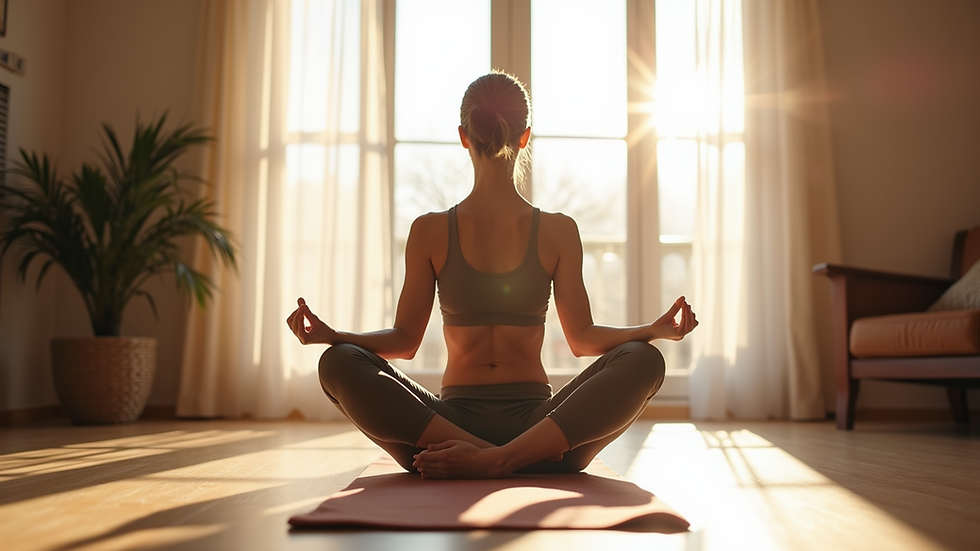
Stress can amplify symptoms, so find ways to unwind. Meditation, deep breathing, or even a hobby you love can calm your mind. Remember, it’s okay to say no and take time for yourself.
5. Hydrate and Moisturise
Drinking plenty of water helps with dryness and fatigue. For vaginal dryness, over-the-counter moisturisers or lubricants can provide relief and improve comfort during intimacy.
The Role of Natural Remedies and Supplements
Many women explore natural remedies to ease menopause symptoms. While these aren’t magic bullets, some have shown promise:
Black Cohosh: Often used for hot flushes and mood swings.
Evening Primrose Oil: May help with breast tenderness and mood.
Vitamin E: Sometimes used for vaginal dryness.
Before starting any supplement, chat with your healthcare provider to ensure safety and avoid interactions with other medications. Remember, natural doesn’t always mean risk-free.
When to Seek Professional Help
If symptoms feel overwhelming or interfere with daily life, it’s important to reach out for support. Hormone Replacement Therapy (HRT) is one option that can be discussed with your doctor. It’s not for everyone, but for some, it offers significant relief.
Also, mental health matters. If mood swings tip into anxiety or depression, professional guidance can make a world of difference. You’re not alone, and help is available.
Building Your Personal Menopause Symptom Management Toolkit
Every woman’s experience is unique, so building a personalised toolkit is empowering. Here’s how to start:
Track Your Symptoms: Use a journal or app to note patterns and triggers.
Create a Support Network: Connect with friends, family, or online communities who understand.
Educate Yourself: Reliable resources like the menopause symptom management guide offer valuable insights.
Celebrate Small Wins: Every symptom eased is a victory worth acknowledging.
This toolkit grows with you, adapting as your needs change.

Embracing Menopause with Confidence and Compassion
Menopause is more than just symptoms - it’s a transition into a new phase of life. With the right mindset and tools, you can embrace this time with confidence. Remember to be gentle with yourself. Some days will be tougher than others, and that’s perfectly okay.
By applying these menopause symptom tips, you’re not just managing symptoms - you’re reclaiming your wellbeing. Keep exploring what works best for you, and don’t hesitate to seek support when needed. This journey is yours to own, and it can be a powerful, transformative experience.
I hope these tips help you feel more in control and hopeful. Menopause is a natural part of life, and with the right approach, it can be a time of growth, self-discovery, and renewed vitality. Here’s to embracing the change with warmth, wisdom, and a little bit of sparkle.


Comments